
Food trends rarely emerge overnight. Some begin as local traditions, others are driven by restaurant innovation, and many now spread through social media before reaching grocery shelves or home kitchens. Amid this constant evolution, platforms that curate, explain, and interpret food movements have become increasingly valuable. That’s where Jalbiteblog Food Trends Justalittlebite has attracted attention among readers looking for fresh culinary inspiration and practical insight into what’s influencing today’s food culture.
Unlike trend reports that focus solely on celebrity chefs or viral recipes, discussions surrounding Jalbiteblog Food Trends Justalittlebite often revolve around a broader picture of how people discover, prepare, and enjoy food. Readers aren’t simply searching for another recipe—they’re looking for context. Why are certain ingredients suddenly everywhere? Which healthy eating habits are proving to be more than passing fads? And how are digital communities shaping the meals people cook at home?
This article explores those questions through an editorial lens, examining how online food content reflects changing consumer preferences, cultural exchange, sustainability, and innovation. Rather than chasing every viral sensation, the goal is to understand the larger trends that continue to influence kitchens around the world.
What Is Jalbiteblog Food Trends Justalittlebite?
The phrase Jalbiteblog Food Trends Justalittlebite appears in online searches as readers look for information about evolving food trends, recipe inspiration, ingredient innovations, and digital food culture. While it isn’t a formal culinary institution or an official industry report, it represents the growing interest in food-focused online content that blends recipes, lifestyle advice, seasonal ingredients, and emerging dining habits.
Today’s readers expect much more than a recipe with a list of ingredients. They want to understand the story behind a dish, the nutritional benefits of certain foods, sustainable sourcing practices, and the cultural traditions that shape different cuisines. Content grouped under topics like Jalbiteblog Food Trends Justalittlebite reflects this broader appetite for meaningful food experiences rather than simple meal instructions.
Instead of treating cooking as a routine task, modern food platforms increasingly present it as a creative activity, a wellness practice, and even a way to connect with global cultures.
Why Food Trend Platforms Have Become So Popular
Only a decade ago, most people discovered recipes through family cookbooks, cooking shows, or printed magazines. Today, inspiration comes from a much wider ecosystem that includes blogs, short-form videos, digital newsletters, online communities, and social media creators.
Several factors have contributed to this shift:
- Greater access to international cuisines
- Rising interest in healthier lifestyles
- Increased home cooking following global lifestyle changes
- Growing awareness of sustainable eating
- Easier access to specialty ingredients through online retailers
- Food photography and video content that encourages experimentation
Consumers no longer wait for annual trend reports from culinary organizations. Instead, they encounter new ideas daily through digital platforms that rapidly introduce emerging flavors, cooking methods, and presentation styles.
The Evolution of Online Food Culture
The internet has fundamentally changed how people experience food. Recipes are no longer static instructions—they’re interactive conversations. Readers comment with substitutions, share personal adaptations, and upload their own results, creating communities around shared culinary interests.
This collaborative approach has transformed food blogs from simple publishing platforms into spaces where knowledge evolves continuously.
Several major developments have accelerated this transformation:
| Earlier Food Media | Modern Digital Food Platforms |
|---|---|
| Printed cookbooks | Interactive recipe websites |
| Television cooking shows | Short-form cooking videos |
| Monthly magazines | Daily food blogs |
| Professional chefs | Home cooks and food creators |
| Regional recipes | Global recipe sharing |
| Limited feedback | Active community discussions |
The result is a much more dynamic food environment where trends emerge quickly, evolve through community participation, and often become mainstream within months rather than years.
Understanding Modern Food Trends
A food trend is more than a popular ingredient or a recipe that goes viral online. Sustainable trends typically reflect deeper shifts in consumer values, technology, economics, or cultural interests.
For example, increasing demand for plant-based meals isn’t simply about replacing meat. It also reflects conversations around environmental sustainability, personal health, ethical food sourcing, and culinary creativity.
Similarly, the popularity of fermented foods extends beyond their distinctive flavors. Many consumers are drawn to them because of growing awareness of gut health, traditional preservation methods, and minimally processed ingredients.
This broader perspective helps explain why discussions associated with Jalbiteblog Food Trends Justalittlebite often focus on lifestyle changes rather than isolated recipes.
The Key Drivers Behind Today’s Food Trends
Several interconnected forces shape what people cook, order, and share online.
1. Social Media Inspiration
Food has become one of the internet’s most visual forms of content. Beautifully plated dishes, creative desserts, colorful beverages, and quick recipe demonstrations inspire millions of viewers every day.
Visual appeal often sparks curiosity, encouraging people to recreate recipes or experiment with unfamiliar ingredients in their own kitchens.
2. Health-Conscious Consumers
Interest in balanced nutrition continues to influence food choices worldwide. Many consumers actively seek recipes featuring:
- Whole foods
- Fresh produce
- Lean proteins
- Healthy fats
- High-fiber ingredients
- Reduced processed sugar
Rather than following restrictive diets, many people now prefer flexible eating habits that emphasize long-term wellness.
3. Global Culinary Exploration
International travel, immigration, and digital media have introduced home cooks to an extraordinary range of cuisines.
Today it’s common to see home kitchens experimenting with:
- Korean-inspired sauces
- Japanese comfort foods
- Mediterranean vegetables
- Middle Eastern spices
- Latin American street food
- Southeast Asian herbs
These influences create exciting combinations while also encouraging appreciation for authentic culinary traditions.
4. Sustainability Awareness
Consumers increasingly consider where food comes from and how it’s produced.
Growing interest includes:
- Local farms
- Seasonal produce
- Reduced food waste
- Composting
- Eco-friendly packaging
- Ethical sourcing
Rather than being a niche concern, sustainability has become an important factor influencing purchasing decisions.
Why Readers Are Searching for Jalbiteblog Food Trends Justalittlebite
Search interest around this topic reflects a broader curiosity about where food culture is headed. Instead of looking for a single recipe, many readers want guidance on what’s genuinely influencing modern eating habits.
Common motivations include:
| Reader Intent | What They’re Looking For |
|---|---|
| Healthy eating | Nutritious meal ideas and ingredient swaps |
| Recipe inspiration | Creative dishes beyond everyday meals |
| Culinary education | Explanations of emerging food movements |
| Sustainable cooking | Eco-conscious ingredients and practices |
| Global cuisine | Authentic international flavors |
| Home cooking | Practical ideas for everyday kitchens |
This shift highlights how food content has evolved from simple instructions into educational, lifestyle-focused resources that help readers make informed choices.
The Growing Role of Food Blogs in Culinary Education
Food blogs now serve a purpose that extends well beyond publishing recipes. Many help readers understand nutrition, seasonal cooking, ingredient selection, cultural traditions, and sustainable practices in ways that are approachable and engaging.
A well-crafted food article can answer questions such as:
- Why does a particular cooking method enhance flavor?
- Which ingredients can be substituted without compromising texture?
- How can leftovers be transformed into entirely new meals?
- What makes certain regional dishes unique?
- How do seasonal ingredients improve taste and freshness?
This educational approach encourages confidence in the kitchen while making cooking more accessible for beginners and experienced home chefs alike.
From Viral Recipes to Lasting Culinary Habits
Not every food trend has staying power. Some gain attention because they are visually striking or unusual, while others endure because they genuinely improve the way people cook and eat.
The most influential trends tend to share several characteristics:
- They solve a practical problem.
- They fit into everyday routines.
- They offer nutritional or sustainability benefits.
- They encourage creativity rather than strict rules.
- They adapt easily to different cultures and dietary preferences.
These qualities help explain why discussions around Jalbiteblog Food Trends Justalittlebite resonate with readers seeking meaningful, long-term inspiration instead of fleeting internet sensations.
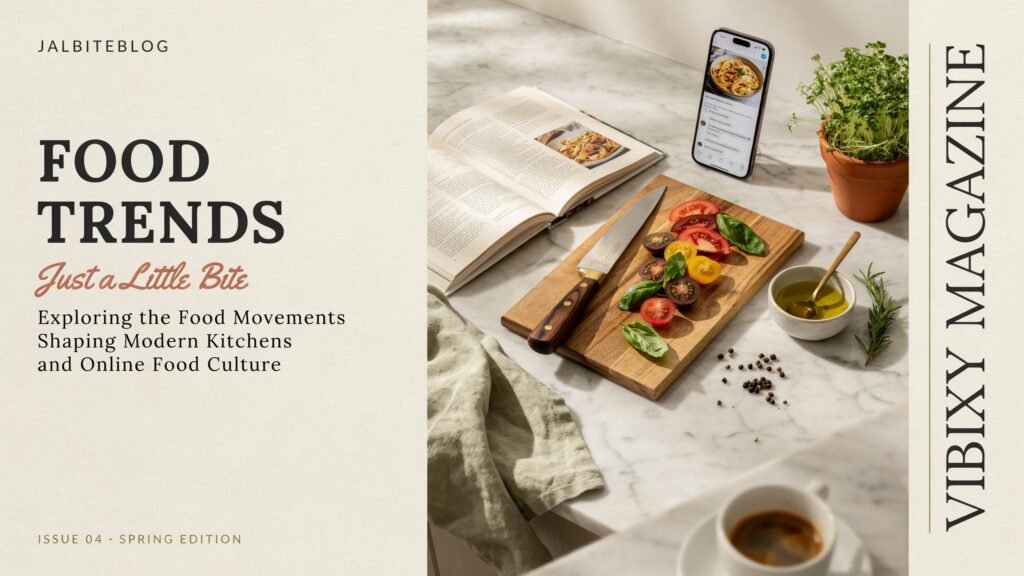
Major Food Trends Shaping Jalbiteblog Food Trends Justalittlebite
Food trends are rarely isolated events. They often emerge where consumer preferences, technological innovation, cultural exchange, and changing lifestyles intersect. The conversations associated with Jalbiteblog Food Trends Justalittlebite reflect these larger shifts, highlighting how modern food culture is becoming more personalized, health-conscious, globally connected, and environmentally aware.
Rather than focusing on a single viral recipe, today’s most influential food movements encourage people to rethink how they shop, cook, and experience meals.
Plant-Based Eating Continues to Expand
Plant-based eating has evolved far beyond its early association with vegetarian or vegan lifestyles. Today, many consumers identify as flexitarians, choosing to reduce meat consumption without eliminating it entirely.
This shift is driven by several factors:
- Greater awareness of environmental sustainability
- Interest in heart-healthy diets
- Expanding availability of plant-based products
- Culinary innovation using vegetables, legumes, mushrooms, and grains
- Growing curiosity about international vegetarian cuisines
Modern plant-based cooking emphasizes flavor rather than restriction. Roasted cauliflower steaks, lentil curries, mushroom tacos, chickpea pasta, and jackfruit barbecue demonstrate how vegetables can become the centerpiece of satisfying meals.
Why It Resonates
Many home cooks appreciate that plant-forward recipes are:
- Budget-friendly
- Rich in fiber
- Highly adaptable
- Easy to customize
- Suitable for family meals
Functional Foods and Wellness Ingredients
Consumers increasingly view food as part of their overall wellness routine. Instead of counting calories alone, they’re paying closer attention to ingredients that may support energy, digestion, or general well-being.
Popular functional ingredients include:
| Ingredient | Common Culinary Uses |
|---|---|
| Turmeric | Soups, curries, wellness drinks |
| Ginger | Tea, stir-fries, smoothies |
| Chia Seeds | Breakfast bowls, puddings |
| Flaxseed | Baking and smoothies |
| Oats | Breakfast and healthy desserts |
| Yogurt | Breakfast, snacks, sauces |
| Fermented Vegetables | Salads and side dishes |
It’s worth noting that while many of these foods are associated with health benefits, individual results vary, and no single ingredient replaces a balanced diet or medical advice.
The Rise of Global Fusion Cuisine
One of the defining characteristics of today’s culinary landscape is the blending of flavors from different cultures. Home cooks and chefs alike are experimenting with combinations that would have seemed unusual just a few years ago.
Examples include:
- Korean-inspired tacos
- Japanese-style pasta dishes
- Mediterranean grain bowls
- Mexican ramen variations
- Indian pizza toppings
- Thai-inspired noodle salads
Fusion cuisine works best when it respects the traditions behind each culinary influence rather than simply combining ingredients for novelty.
Why Fusion Continues to Grow
Several factors support this trend:
- Increased international travel
- Cultural exchange through digital media
- Easier access to specialty ingredients
- Greater appreciation for authentic regional cooking
- Curiosity among younger consumers
Seasonal and Local Ingredients Are Back in Focus
As food prices fluctuate and sustainability becomes a bigger consideration, many consumers are rediscovering the benefits of seasonal produce.
Cooking with ingredients harvested at their natural peak often means:
- Better flavor
- Improved freshness
- Lower transportation impact
- Support for local farmers
- Reduced food waste
Seasonal cooking also encourages creativity. Instead of relying on the same ingredients year-round, home cooks adapt recipes to what’s currently available.
Seasonal Cooking at a Glance
| Season | Popular Ingredients |
|---|---|
| Spring | Asparagus, peas, strawberries |
| Summer | Tomatoes, zucchini, berries |
| Autumn | Pumpkin, apples, mushrooms |
| Winter | Citrus fruits, root vegetables, cabbage |
Home Cooking Has Become More Creative
The renewed interest in home cooking isn’t simply about preparing meals. Many people now see cooking as a hobby, creative outlet, or family activity.
Several habits have become increasingly common:
- Homemade breads
- Artisan coffee preparation
- Meal prepping
- Batch cooking
- DIY sauces
- Homemade spice blends
- Scratch baking
People are also investing in kitchen tools that simplify everyday cooking, from air fryers to multicookers and precision thermometers.
Social Media Shapes Food Discovery
Few industries have been transformed by social media as dramatically as food.
Recipes can spread globally within hours, inspiring millions of people to recreate dishes in their own kitchens.
Popular content formats include:
- Short recipe videos
- Ingredient tutorials
- Restaurant reviews
- Grocery hauls
- Meal-prep demonstrations
- Cooking challenges
- Behind-the-scenes kitchen content
Visual storytelling has become almost as important as taste when introducing new recipes online.
However, not every viral recipe stands the test of time. Many receive attention because they’re visually impressive rather than practical for everyday cooking.
Sustainability Is Influencing Consumer Decisions
Environmental concerns continue to shape food purchasing decisions across many markets.
Consumers increasingly consider questions such as:
- Where was this food produced?
- How much packaging does it use?
- Can leftovers be reused?
- Is the ingredient locally sourced?
- Does the product support ethical farming?
Simple sustainable habits include:
- Buying only needed quantities
- Freezing leftovers
- Using vegetable scraps for stock
- Choosing reusable storage containers
- Supporting nearby producers
These practices benefit both household budgets and the environment.
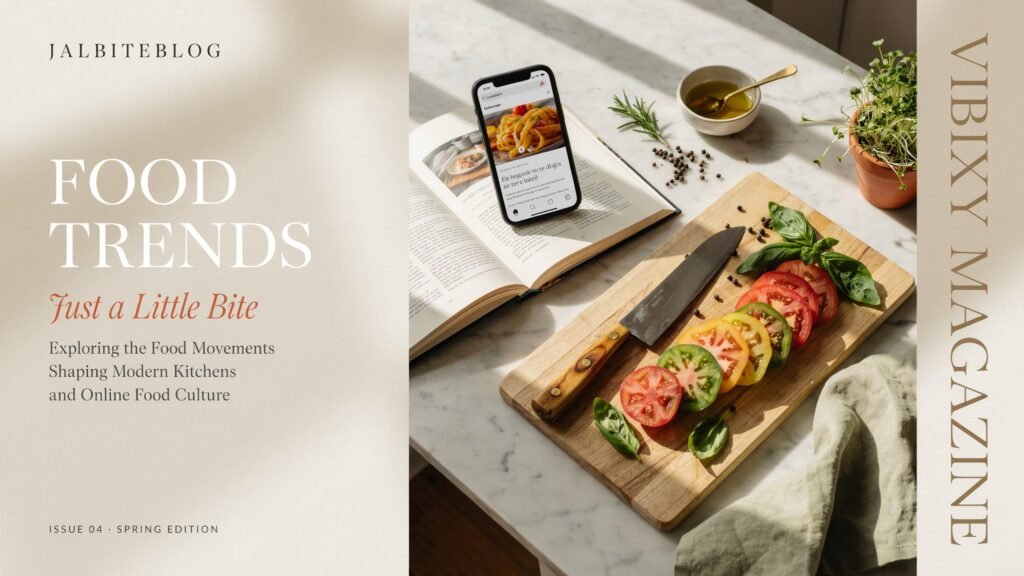
Technology Is Changing the Way We Cook
Technology has become an everyday part of modern kitchens.
Examples include:
Smart Kitchen Appliances
Connected devices now help automate cooking times, temperatures, and meal planning.
Examples include:
- Smart ovens
- Wi-Fi coffee machines
- Precision cookers
- Smart refrigerators
AI-Powered Recipe Recommendations
Some digital platforms suggest recipes based on:
- Available ingredients
- Dietary preferences
- Cooking skill level
- Nutritional goals
- Time available
These recommendations reduce food waste while helping people discover new meals.
Grocery Apps
Consumers increasingly use apps to:
- Compare prices
- Create shopping lists
- Schedule deliveries
- Track pantry inventory
- Find recipe ingredients
Technology is making cooking more convenient without replacing the creativity involved in preparing meals.
Comfort Food Is Being Reinvented
Classic comfort foods remain popular, but they’re often updated with modern ingredients and healthier preparation methods.
Examples include:
| Traditional Dish | Modern Interpretation |
|---|---|
| Macaroni and cheese | Whole-grain pasta with roasted vegetables |
| Pizza | Cauliflower or whole-wheat crust |
| Fried chicken | Air-fried version |
| Ice cream | Greek yogurt alternatives |
| Burgers | Black bean or mushroom patties |
These adaptations allow people to enjoy familiar flavors while aligning meals with current nutritional preferences.
Personalized Nutrition Is Gaining Momentum
Consumers increasingly recognize that no single eating pattern works for everyone.
Many choose meals based on:
- Food allergies
- Lifestyle goals
- Athletic performance
- Cultural traditions
- Medical recommendations
- Personal taste preferences
This personalization has encouraged recipe developers to provide ingredient substitutions and dietary variations rather than one fixed approach.
Food Presentation Matters More Than Ever
Presentation has become an important part of the dining experience, especially for recipes shared online.
Current presentation trends include:
- Neutral ceramic plates
- Natural lighting photography
- Minimalist styling
- Bright seasonal ingredients
- Layered textures
- Garnishes using fresh herbs
While appearance shouldn’t outweigh flavor, attractive presentation often encourages people to try new recipes.
Community-Driven Cooking
One of the most significant developments in digital food culture is collaboration.
Readers no longer consume recipes passively—they actively contribute.
Communities now share:
- Ingredient substitutions
- Regional variations
- Family traditions
- Cooking tips
- Budget-friendly adaptations
- Dietary modifications
This exchange transforms recipes into evolving resources rather than static instructions.
Food Trends Worth Watching
Although predicting the future is never exact, several movements appear likely to continue growing.
| Emerging Trend | Why It Matters |
|---|---|
| Zero-waste cooking | Reduces food waste and saves money |
| Regenerative agriculture | Supports healthier farming systems |
| Personalized meal planning | Better fits individual lifestyles |
| Functional beverages | Rising interest in wellness |
| Sustainable seafood | Environmental responsibility |
| Heritage grains | Greater nutritional diversity |
| Global spice blends | Expanding culinary exploration |
Rather than replacing traditional cooking, these trends build upon it, encouraging more thoughtful, diverse, and sustainable eating habits.
Why These Trends Matter
The popularity of Jalbiteblog Food Trends Justalittlebite reflects a broader shift in how people relate to food. Meals are no longer judged solely by taste or convenience. Consumers increasingly consider nutrition, sustainability, cultural authenticity, affordability, and creativity when deciding what to cook.
Food trends that endure tend to improve everyday life rather than simply generate online attention. They inspire people to cook with confidence, explore unfamiliar cuisines, reduce waste, and make more informed choices about the food they eat.
Benefits of Following Jalbiteblog Food Trends Justalittlebite
Keeping up with evolving food trends isn’t about chasing every viral recipe. The real value lies in discovering practical ideas that improve everyday cooking, expand culinary knowledge, and encourage healthier, more sustainable eating habits. Readers who explore topics related to Jalbiteblog Food Trends Justalittlebite often gain inspiration that goes beyond the kitchen.
1. Fresh Meal Inspiration
One of the biggest challenges home cooks face is deciding what to prepare each day. Exploring new food trends introduces seasonal recipes, creative ingredient pairings, and cooking techniques that make meal planning more enjoyable.
2. Greater Nutritional Awareness
Modern food content increasingly highlights balanced eating rather than restrictive dieting. Readers learn how to incorporate whole grains, fresh vegetables, lean proteins, healthy fats, and nutrient-dense ingredients into everyday meals.
3. Better Cooking Skills
Food trend articles often explain techniques—not just recipes. Whether it’s roasting vegetables for better flavor, fermenting foods at home, or understanding spice combinations, readers build confidence through practical knowledge.
4. Cultural Appreciation
Food serves as a gateway to understanding traditions and communities around the world. Exploring authentic cuisines encourages respect for regional ingredients, cooking methods, and culinary history.
5. Sustainable Habits
Many modern food trends emphasize reducing waste, buying seasonal produce, supporting local agriculture, and making thoughtful purchasing decisions. These habits benefit both households and the environment.
Potential Limitations
While food trends can be exciting, not every trend is practical or suitable for every household. A balanced perspective helps readers separate lasting innovations from short-lived internet fads.
| Potential Challenge | Consideration |
|---|---|
| Viral recipes | Some prioritize appearance over taste or practicality. |
| Specialty ingredients | Certain recipes may require ingredients that are expensive or difficult to find. |
| Social media influence | Online popularity doesn’t always reflect nutritional value or authenticity. |
| Constant trend cycles | New trends appear quickly, making it unnecessary to follow every one. |
| Individual dietary needs | Not every popular eating pattern works for everyone. |
The best approach is to adopt ideas that align with your lifestyle, preferences, and nutritional needs rather than feeling pressured to follow every emerging trend.
Expert Perspectives on Modern Food Trends
Food professionals generally agree that meaningful culinary trends are driven by long-term consumer behavior rather than temporary online attention. Several themes consistently shape the future of food.
Health Without Extremes
Nutrition experts increasingly encourage balanced eating instead of highly restrictive diets. Flexible approaches that include a variety of foods tend to be easier to maintain over time.
Sustainability Is Becoming Standard
Restaurants, food manufacturers, and home cooks alike are paying greater attention to sourcing, food waste, and environmentally responsible practices. Sustainability is gradually shifting from a niche concern to an everyday consideration.
Technology Supports—But Doesn’t Replace—Cooking
Smart appliances, recipe apps, and AI-powered meal planning tools can simplify cooking, but creativity, experience, and personal taste remain central to preparing enjoyable meals.
Authenticity Matters
Global cuisine continues to inspire experimentation, yet many chefs emphasize learning about the traditions behind dishes rather than simply combining ingredients for novelty.
Common Misconceptions About Food Trends
Many assumptions about food trends oversimplify a much more nuanced topic. Understanding these misconceptions can help readers make informed decisions.
“Every Viral Recipe Is Worth Trying”
Popularity doesn’t always equal quality. Some recipes gain attention because they’re visually striking rather than practical or flavorful.
“Healthy Food Is Always Expensive”
Many nutritious ingredients—such as beans, oats, seasonal vegetables, eggs, and frozen produce—are affordable and versatile.
“Food Trends Replace Traditional Cooking”
In reality, many modern trends build upon traditional culinary practices. Fermentation, seasonal eating, and preserving food, for example, have existed for generations.
“You Need Expensive Equipment”
While some recipes feature specialized tools, many can be prepared with basic kitchen equipment and simple techniques.
Best Practices for Exploring New Food Trends
Rather than attempting every trend, consider a thoughtful approach that balances curiosity with practicality.
- Focus on recipes that suit your cooking skill level.
- Prioritize seasonal and locally available ingredients.
- Experiment with one new ingredient at a time.
- Learn the cultural background of unfamiliar dishes.
- Adapt recipes to suit dietary preferences or allergies.
- Keep food safety in mind when trying preservation or fermentation techniques.
- Don’t overlook classic recipes—they often inspire modern innovations.
These practices make it easier to enjoy new culinary experiences without unnecessary expense or complexity.
The Future of Jalbiteblog Food Trends Justalittlebite
Predicting the future of food is never exact, but several developments appear likely to shape the next generation of culinary content.
Personalized Food Experiences
Digital platforms are expected to continue offering tailored recipe recommendations based on dietary preferences, available ingredients, and cooking habits.
Sustainable Innovation
Consumers will likely continue supporting businesses that emphasize responsible sourcing, reduced packaging, and environmentally conscious production methods.
Greater Cultural Exploration
Interest in regional cuisines is expected to grow, with more attention paid to authentic cooking methods and lesser-known culinary traditions.
Smart Kitchen Integration
Connected appliances, digital meal planning, and AI-assisted recipe development may become increasingly common, simplifying everyday cooking without replacing human creativity.
Community-Driven Learning
Readers will continue sharing recipe variations, ingredient substitutions, and personal experiences, making food platforms more collaborative than ever.
Frequently Asked Questions
1. What does Jalbiteblog Food Trends Justalittlebite refer to?
It generally refers to discussions surrounding contemporary food trends, recipe inspiration, culinary innovation, healthy eating, and evolving digital food culture. Readers often search for it to discover emerging ideas that influence home cooking and dining.
2. Why are food trends constantly changing?
Food trends evolve because consumer preferences, cultural influences, technology, ingredient availability, and health awareness continue to change. Social media also accelerates how quickly new ideas spread.
3. Are viral food trends reliable?
Not always. While many introduce creative ideas, some prioritize visual appeal over flavor, practicality, or nutritional value. It’s helpful to evaluate recipes based on trusted sources and your own cooking goals.
4. How can beginners explore new food trends?
Start with simple recipes, experiment with one unfamiliar ingredient at a time, and focus on techniques that fit your current skill level. Building confidence gradually is more effective than attempting complex recipes immediately.
5. Are sustainable food trends expensive?
Not necessarily. Buying seasonal produce, reducing food waste, cooking at home, and using pantry staples often lower grocery costs while supporting more sustainable habits.
6. Do I need special kitchen equipment?
Most recipes can be prepared with standard kitchen tools. Specialized equipment may offer convenience but isn’t essential for learning new cooking techniques.
7. How do food blogs influence consumer behavior?
Food blogs introduce readers to new ingredients, cooking methods, and cuisines while encouraging healthier choices, culinary experimentation, and greater awareness of food sustainability.
8. What food trends are likely to continue growing?
Plant-forward meals, seasonal cooking, global cuisines, functional ingredients, sustainable practices, personalized nutrition, and technology-assisted meal planning are all expected to remain influential.
Final Thoughts
The popularity of Jalbiteblog Food Trends Justalittlebite reflects a broader transformation in how people think about food. Modern consumers aren’t simply searching for recipes—they’re looking for stories, context, practical guidance, and meaningful ways to improve everyday meals.
The most valuable food trends aren’t those that dominate social media for a week before disappearing. Instead, they encourage healthier habits, reduce waste, celebrate culinary diversity, and inspire confidence in the kitchen. Whether you’re an experienced home cook or just beginning to explore new flavors, staying curious and open to thoughtful innovation can make cooking both more rewarding and more enjoyable.
As food culture continues to evolve, the most enduring trend is likely to remain the same: people gathering around good food, shared experiences, and a willingness to learn something new.