
Wearable technology has quietly transformed from a niche category of fitness bands into one of the most influential segments of the connected technology ecosystem. Smartwatches monitor heart rhythms, smart rings track sleep quality, AR glasses reshape workplace collaboration, and connected medical devices allow physicians to monitor patients without requiring constant hospital visits. Behind these innovations lies an expanding network of platforms, developers, manufacturers, and technology communities dedicated to following—and shaping—this evolution.
Among the emerging names appearing in discussions around wearable innovation is Wearables FeedWorldTech. Rather than representing a single consumer device, the term is commonly associated with technology coverage, wearable innovation, industry developments, product analysis, and the broader conversation surrounding connected devices. As interest in artificial intelligence, health monitoring, edge computing, and the Internet of Things (IoT) continues to grow, platforms focused on wearable technology have become increasingly valuable for professionals, businesses, developers, and everyday consumers seeking reliable information.
Understanding where wearable technology is headed requires more than looking at the latest smartwatch launch. It involves examining the technologies powering these devices, the industries adopting them, the challenges surrounding privacy and security, and the innovations likely to shape the next decade. This article explores the role of Wearables FeedWorldTech within that broader landscape, explaining how wearable technologies work, why they matter, and what trends are defining the future of connected living.
What Is Wearables FeedWorldTech?
The phrase Wearables FeedWorldTech generally refers to wearable technology content, industry insights, innovation updates, and analysis focused on the rapidly growing wearable technology sector. While the exact interpretation may vary depending on context, it typically centers on tracking developments across smart devices that people wear on their bodies to collect data, enhance communication, improve health monitoring, or extend digital experiences.
Rather than focusing exclusively on one product category, Wearables FeedWorldTech reflects a broader ecosystem that includes:
- Smartwatches
- Fitness trackers
- Smart rings
- Smart glasses
- Medical wearables
- Industrial wearable devices
- AI-powered health monitoring tools
- Sports performance technology
- Augmented reality wearables
- Connected IoT devices
As wearable technology continues to evolve, platforms covering this industry help readers stay informed about product launches, software updates, market trends, regulatory developments, and emerging research.
Why Wearable Technology Matters More Than Ever
Only a decade ago, many wearable devices were viewed as optional fitness accessories. Today, they play a much larger role in healthcare, workplace safety, personal productivity, and digital communication.
Modern wearable devices can:
- Detect abnormal heart rhythms
- Monitor blood oxygen levels
- Measure stress indicators
- Analyze sleep quality
- Track athletic performance
- Improve workplace safety
- Enable contactless payments
- Provide navigation assistance
- Support emergency communication
- Deliver real-time health alerts
The growing capabilities of these devices have expanded their audience well beyond fitness enthusiasts. Businesses, hospitals, research institutions, manufacturers, and government agencies increasingly rely on wearable technologies to improve efficiency, reduce risks, and gather actionable data.
The Evolution of Wearable Technology
Today’s wearable devices are the result of decades of technological progress rather than a sudden breakthrough. Understanding this evolution helps explain why platforms like Wearables FeedWorldTech have become increasingly relevant.
Early Foundations
Wearable technology has existed in simple forms for centuries.
Examples include:
- Pocket watches
- Wristwatches
- Hearing aids
- Portable calculators
- Early medical monitoring equipment
Although these devices lacked internet connectivity, they represented the first generation of body-worn technology designed to assist users in everyday life.
The Fitness Revolution
The first major wave of modern wearables emerged through digital fitness trackers.
Early devices primarily counted:
- Daily steps
- Calories burned
- Distance traveled
- Exercise duration
While relatively simple, they introduced millions of people to continuous personal data tracking.
This shift fundamentally changed consumer expectations. People became interested not only in exercising but also in understanding measurable health trends over weeks, months, and years.
The Rise of Smart Devices
The introduction of smartwatches significantly expanded wearable capabilities.
Instead of acting solely as fitness monitors, these devices integrated:
- Mobile notifications
- Voice assistants
- GPS navigation
- Mobile payments
- Health sensors
- Music controls
- Communication tools
Wearables gradually evolved into miniature computers designed for continuous interaction throughout the day.
The AI Era
Artificial intelligence has become one of the most significant drivers of wearable innovation.
Instead of simply collecting data, modern devices increasingly interpret information.
Examples include:
- Detecting unusual heart activity
- Predicting recovery time after workouts
- Identifying sleep disorders
- Estimating stress levels
- Recognizing fall incidents
- Providing personalized coaching
This shift from passive tracking to intelligent assistance marks one of the biggest transformations in wearable technology.
Timeline of Wearable Technology Evolution
| Era | Major Development | Industry Impact |
|---|---|---|
| Before 1980 | Digital watches and hearing aids | Basic wearable electronics |
| 1990s | Portable health monitoring | Early medical applications |
| Early 2000s | Fitness tracking devices | Consumer wellness adoption |
| 2010–2015 | Smartwatch expansion | Mainstream wearable market |
| 2016–2020 | Advanced health monitoring | Preventive healthcare growth |
| 2021–Present | AI-powered wearables | Personalized insights and automation |
| Future | Intelligent connected ecosystems | Predictive healthcare and ambient computing |
How Wearables FeedWorldTech Fits into the Industry
The wearable technology market is evolving at an extraordinary pace. New devices, software platforms, health sensors, and AI capabilities appear almost every month.
For consumers and professionals alike, keeping up with these developments can be challenging.
This is where platforms and resources associated with Wearables FeedWorldTech become valuable. Rather than manufacturing hardware, they help organize and interpret the constant stream of innovation by covering areas such as:
Product News
Readers can follow announcements involving:
- Smartwatches
- Fitness bands
- Smart rings
- AR/VR wearables
- Health monitoring devices
- Emerging startups
Technology Analysis
Beyond launch events, industry analysis helps explain:
- Why a new sensor matters
- How AI improves wearable performance
- Which features provide genuine value
- What limitations remain unresolved
Market Trends
Wearable technology evolves alongside industries such as:
- Artificial intelligence
- Healthcare
- Telecommunications
- Semiconductor manufacturing
- Cloud computing
- Internet of Things (IoT)
Understanding these broader trends provides context that individual product reviews often overlook.
Innovation Tracking
Researchers, developers, investors, and businesses benefit from following innovations including:
- Flexible electronics
- Smart fabrics
- Digital biomarkers
- Energy-efficient processors
- Advanced biometric authentication
- Battery technology improvements
How Wearable Technology Works
Although wearable devices appear simple from the outside, they combine sophisticated hardware and software to collect, process, and transmit information.
Most wearable systems follow a continuous four-stage workflow.
1. Data Collection
Tiny embedded sensors continuously gather information from the user’s body or surrounding environment.
Common sensors include:
- Accelerometers
- Gyroscopes
- Optical heart-rate sensors
- Temperature sensors
- GPS modules
- Blood oxygen sensors
- Electrocardiogram (ECG) sensors
- Skin conductivity sensors
These components operate continuously while consuming minimal battery power.
2. Local Processing
Raw sensor readings are processed by miniature onboard processors.
Rather than sending every data point directly to the cloud, many devices filter, compress, and analyze information locally.
This reduces latency while improving battery efficiency.
3. Cloud Synchronization
Many wearable devices synchronize data with companion smartphone applications or cloud platforms.
Cloud processing enables:
- Long-term trend analysis
- Secure backups
- Cross-device synchronization
- AI-powered recommendations
- Remote healthcare monitoring
4. Personalized Insights
The final stage transforms technical sensor data into practical recommendations.
Instead of simply displaying numbers, modern systems may generate insights such as:
- Recovery readiness
- Daily activity goals
- Stress management suggestions
- Sleep improvement tips
- Irregular heart rhythm alerts
- Personalized fitness coaching
This shift from raw measurements to meaningful guidance is one of the defining strengths of contemporary wearable technology.
Core Technologies Powering Wearables FeedWorldTech
Wearable innovation relies on several interconnected technologies rather than a single breakthrough.
The following table summarizes the key components shaping today’s wearable ecosystem.
| Technology | Purpose | Example Applications |
|---|---|---|
| Artificial Intelligence | Personalized recommendations | Health coaching, predictive alerts |
| Internet of Things (IoT) | Device connectivity | Smart homes, remote monitoring |
| Bluetooth Low Energy | Wireless communication | Smartwatch-to-phone synchronization |
| Cloud Computing | Long-term analytics | Health dashboards, backups |
| Edge Computing | Faster local processing | Instant activity recognition |
| Machine Learning | Pattern recognition | Sleep analysis, anomaly detection |
| Advanced Sensors | Data collection | Heart rate, ECG, SpO₂, motion tracking |
| GPS Technology | Location tracking | Outdoor fitness and navigation |
The Expanding Wearable Technology Landscape
Wearables are no longer confined to consumer electronics. Their influence now spans nearly every major industry, creating opportunities for innovation while raising new questions about privacy, interoperability, and long-term reliability.
Healthcare providers are increasingly exploring remote patient monitoring to reduce hospital visits and improve chronic disease management. Manufacturers use smart helmets and connected safety equipment to monitor worker conditions in real time. Logistics companies equip employees with wearable scanners and voice-assisted devices to streamline warehouse operations. Athletes rely on advanced biometric sensors to optimize training and recovery, while educational institutions experiment with immersive learning through augmented and virtual reality headsets.
This rapid diversification highlights a broader shift: wearable technology is becoming an essential layer of the connected digital ecosystem rather than a standalone category of gadgets. As devices become smaller, more intelligent, and more integrated with artificial intelligence and cloud platforms, the demand for trusted information sources continues to grow. Wearables FeedWorldTech reflects that need by helping readers navigate a fast-moving industry where new capabilities—and new challenges—emerge almost every day.
Key Features of Wearables FeedWorldTech
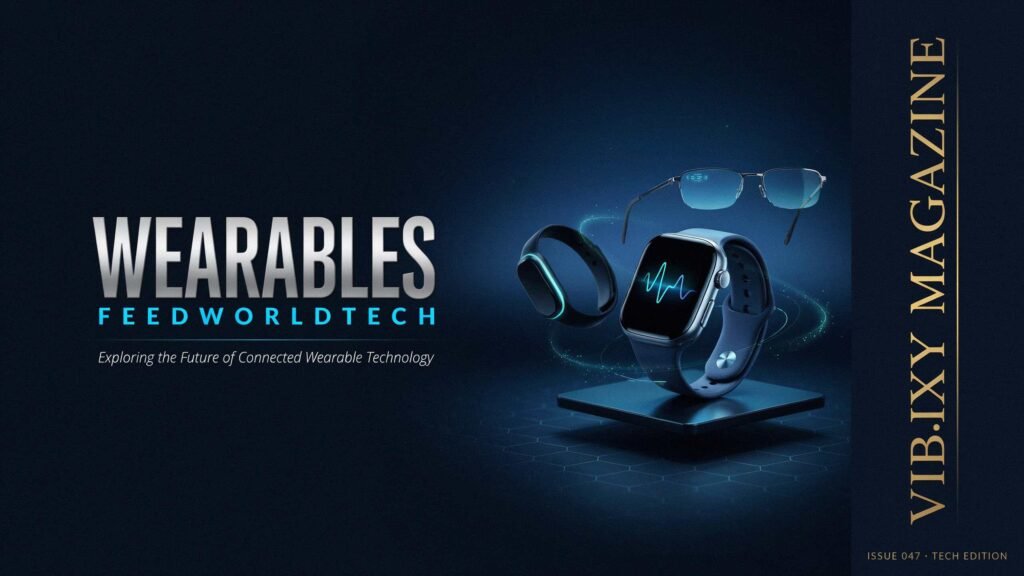
Wearable technology is no longer defined by step counting or smartphone notifications alone. The latest generation of connected devices combines artificial intelligence, advanced biosensors, cloud computing, and edge processing to deliver highly personalized experiences. Coverage associated with Wearables FeedWorldTech often highlights these innovations because they represent the technologies shaping the future of consumer electronics, healthcare, and enterprise solutions.
Below are some of the defining features driving today’s wearable ecosystem.
| Feature | Purpose | Primary Benefit |
|---|---|---|
| AI-Powered Analytics | Interprets sensor data | Personalized insights |
| Continuous Health Monitoring | Tracks vital signs | Early health awareness |
| Cloud Synchronization | Stores long-term data | Multi-device access |
| Edge Computing | Processes data locally | Faster performance |
| Bluetooth & Wi-Fi Connectivity | Connects with devices | Real-time communication |
| GPS Tracking | Location awareness | Navigation and fitness |
| Emergency Detection | Identifies accidents or falls | Improved personal safety |
| Voice Assistant Integration | Hands-free control | Better accessibility |
| Contactless Payments | Secure transactions | Convenience |
| Battery Optimization | Efficient power management | Longer usage time |
Modern wearables increasingly function as intelligent digital companions rather than simple accessories. Instead of merely recording activity, they analyze patterns, learn from user behavior, and provide actionable recommendations.
Benefits of Wearables FeedWorldTech and Modern Wearable Technology
The growing popularity of wearable technology reflects its ability to solve practical problems across everyday life and professional environments. While features differ between devices, the overall benefits extend far beyond convenience.
Better Personal Health Awareness
Perhaps the most significant advantage is continuous health monitoring.
Instead of relying solely on occasional medical checkups, wearable devices allow users to observe trends over weeks or months.
Examples include:
- Resting heart rate
- Daily activity levels
- Sleep duration
- Sleep quality
- Blood oxygen measurements
- Stress indicators
- Recovery metrics
Long-term trend analysis often provides more meaningful insights than isolated measurements.
Improved Fitness Performance
Athletes and fitness enthusiasts benefit from highly detailed performance tracking.
Wearables can help monitor:
- Running pace
- Cycling efficiency
- Swimming performance
- Workout intensity
- Recovery time
- Training load
- Calorie expenditure
Many devices now use AI to recommend recovery periods based on physiological data rather than fixed schedules.
Increased Productivity
Modern wearables reduce dependence on smartphones throughout the day.
Users can:
- Read messages
- Accept calls
- Check calendars
- Receive reminders
- Navigate routes
- Control presentations
- Authenticate logins
This convenience becomes particularly valuable in workplaces where frequent phone use is impractical.
Enhanced Personal Safety
Advanced wearable devices increasingly include safety-focused capabilities.
Examples include:
- Fall detection
- Emergency SOS
- Crash detection
- Live location sharing
- Heart rhythm alerts
- Abnormal activity notifications
Although these features should never replace professional medical care or emergency services, they can provide valuable assistance during unexpected situations.
Smarter Daily Decisions
One of the less obvious benefits is behavioral awareness.
Wearables encourage healthier routines by highlighting patterns users might otherwise overlook.
Examples include:
- Sedentary behavior
- Poor sleep consistency
- Elevated stress levels
- Inadequate hydration reminders
- Irregular exercise habits
Over time, these small adjustments can contribute to healthier lifestyles.
Limitations and Challenges
Despite impressive innovation, wearable technology is not without drawbacks. A balanced perspective requires acknowledging the limitations alongside the benefits.
Battery Constraints
Advanced sensors consume considerable power.
Although battery technology continues to improve, many devices still require frequent charging, especially those with:
- Continuous GPS
- Always-on displays
- Cellular connectivity
- Continuous health monitoring
Battery life remains one of the industry’s biggest engineering challenges.
Privacy Concerns
Wearables collect sensitive personal information.
Examples include:
- Health metrics
- Location history
- Sleep behavior
- Daily routines
- Exercise habits
Protecting this information requires strong encryption, transparent privacy policies, and responsible data management.
Users should always review app permissions and understand how their information is stored and shared.
Data Accuracy
Consumer wearables have become increasingly sophisticated, but they are not medical-grade diagnostic devices unless specifically approved for clinical use.
Factors affecting accuracy include:
- Improper fit
- Motion interference
- Skin characteristics
- Sensor quality
- Environmental conditions
Wearable insights should complement—not replace—professional medical evaluation.
Cost
Premium wearable devices often include advanced sensors and AI capabilities, but these features can significantly increase prices.
Consumers should evaluate whether premium functionality matches their actual needs rather than simply choosing the most expensive option.
Pros and Cons Overview
| Advantages | Limitations |
|---|---|
| Continuous health tracking | Battery life limitations |
| AI-powered insights | Privacy concerns |
| Improved productivity | Device cost |
| Emergency safety features | Sensor accuracy varies |
| Fitness optimization | Learning curve for some users |
| Smart connectivity | Software updates required |
Real-World Applications of Wearable Technology
The influence of wearable technology extends well beyond consumer gadgets. Nearly every major industry is experimenting with connected devices to improve efficiency, safety, and decision-making.
Healthcare and Remote Patient Monitoring
Healthcare represents one of the fastest-growing applications for wearable devices.
Hospitals and healthcare providers increasingly use wearable sensors to monitor patients outside traditional clinical settings.
Common applications include:
- Heart rate monitoring
- Blood oxygen observation
- Post-surgery recovery tracking
- Chronic disease management
- Elderly care
- Medication reminders
Remote monitoring allows physicians to observe long-term trends instead of relying solely on occasional appointments.
For patients with chronic conditions, continuous data collection may help identify changes that warrant further medical evaluation.
Fitness and Sports Performance
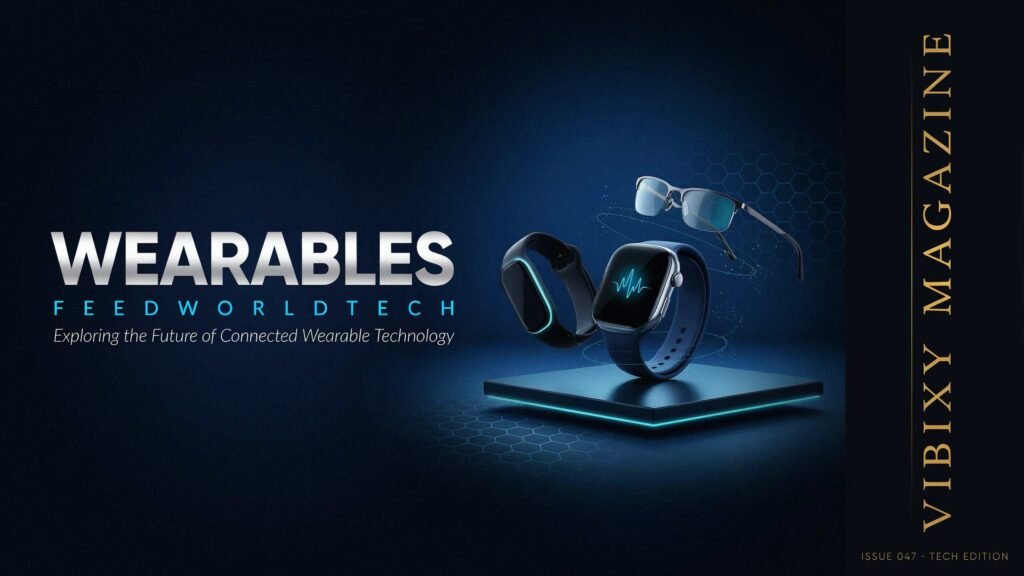
Elite athletes have embraced wearable technology for years, but these tools are now widely accessible to everyday users.
Professional teams often monitor:
- Training intensity
- Recovery cycles
- Fatigue levels
- Sleep quality
- Hydration indicators
- Muscle workload
Recreational users benefit from many of these same capabilities through consumer-grade devices.
Rather than simply encouraging more exercise, modern wearables help users exercise more intelligently.
Enterprise and Workplace Safety
Businesses increasingly deploy wearable technologies to improve workplace efficiency and employee safety.
Examples include:
Smart Helmets
Construction workers use connected helmets equipped with:
- Environmental sensors
- Communication systems
- Location tracking
- Hazard detection
Smart Glasses
Field technicians use augmented reality glasses for:
- Remote assistance
- Equipment diagnostics
- Repair instructions
- Hands-free documentation
Wearable Scanners
Warehouse employees often use wearable barcode scanners that reduce repetitive movement while increasing productivity.
Manufacturing and Industrial Automation
Factories are adopting wearable technologies to improve operational efficiency.
Applications include:
- Worker fatigue monitoring
- Hazard alerts
- Equipment diagnostics
- Voice-controlled workflows
- Inventory management
Combined with IoT systems, wearables contribute to safer and more efficient industrial environments.
Education and Training
Educational institutions increasingly experiment with immersive wearable technologies.
Examples include:
- Virtual laboratories
- Medical simulation
- Engineering visualization
- Historical recreations
- Interactive science education
Students can experience environments that would otherwise be inaccessible, creating more engaging learning experiences.
Smart Cities
Wearables are becoming part of broader smart-city ecosystems.
Potential applications include:
- Public transportation integration
- Emergency response coordination
- Contactless ticketing
- Smart building access
- Public health monitoring
- Environmental exposure tracking
As urban infrastructure becomes more connected, wearable devices may play an increasingly important role in daily life.
Retail and Customer Experience
Retail businesses are exploring wearable technologies to improve customer engagement and operational efficiency.
Examples include:
- Contactless checkout
- Personalized shopping experiences
- Employee communication
- Inventory assistance
- Smart payment authentication
Retail adoption remains in its early stages but continues to expand alongside digital commerce.
Expert Insights: Where the Industry Is Heading
Several technological trends are reshaping wearable innovation.
Artificial Intelligence Becomes More Predictive
Earlier wearable devices focused primarily on recording data.
Future systems increasingly aim to predict outcomes.
Instead of telling users what happened yesterday, AI models attempt to estimate:
- Recovery readiness
- Stress accumulation
- Potential health risks
- Exercise recommendations
- Sleep improvement opportunities
Predictive analytics is likely to become a defining feature of next-generation wearables.
Smaller Devices with More Capability
Hardware continues to shrink while functionality expands.
Emerging innovations include:
- Smart rings
- Flexible electronics
- Smart clothing
- Skin-mounted sensors
- Electronic patches
Miniaturization improves comfort while enabling continuous monitoring.
Better Integration Across Ecosystems
Consumers increasingly expect wearables to work seamlessly with:
- Smartphones
- Tablets
- Smart homes
- Connected vehicles
- Healthcare platforms
- Workplace software
Cross-platform compatibility will likely become a major competitive advantage.
Best Practices for Choosing and Using Wearables
Whether you’re purchasing your first wearable or upgrading an existing device, a thoughtful approach can help you get the most value.
Identify Your Primary Goal
Ask yourself:
- Are you focused on fitness?
- Do you want better sleep tracking?
- Is health monitoring your priority?
- Do you need productivity features?
- Are you buying for workplace use?
Matching the device to your actual needs is more important than choosing the newest model.
Prioritize Data Privacy
Before enabling health sharing or cloud synchronization:
- Review privacy settings.
- Understand what data is collected.
- Check whether information can be exported or deleted.
- Enable two-factor authentication where available.
Wear the Device Consistently
Wearables generate the most useful insights when used regularly. Sporadic use limits trend analysis and reduces the accuracy of personalized recommendations.
Keep Software Updated
Manufacturers frequently release updates that improve:
- Security
- Sensor accuracy
- Battery performance
- AI algorithms
- Compatibility with other devices
Installing updates helps ensure the device continues to perform reliably.
The Future of Wearables FeedWorldTech and Connected Technology
Wearable technology is still in the early stages of its evolution. While today’s smartwatches and fitness trackers are impressive, the next decade will likely redefine what it means to wear connected technology. Rather than functioning as standalone gadgets, wearables are expected to become an invisible layer of everyday life—working seamlessly with artificial intelligence, cloud platforms, smart homes, connected vehicles, and healthcare systems.
For platforms like Wearables FeedWorldTech, this means covering not just new product launches but also the broader technological shifts shaping the industry. Readers increasingly want context: How will AI change wearable experiences? Will smart clothing become mainstream? Can wearable devices support preventive healthcare? These are the questions driving the next generation of innovation.
Artificial Intelligence Will Become More Personal
Today’s wearable devices already analyze heart rate, sleep patterns, and activity levels. Future AI models are expected to move beyond reporting past behavior and instead provide predictive, personalized guidance.
Possible developments include:
- Predicting fatigue before it affects performance
- Identifying unusual health trends that may require medical attention
- Delivering adaptive workout plans based on recovery metrics
- Adjusting notifications based on stress levels
- Providing personalized wellness coaching throughout the day
As AI models improve, wearable technology could shift from being reactive to proactive, helping users make informed decisions before problems arise.
The Rise of Smart Clothing
Wearable technology may no longer be limited to watches or rings. Researchers and manufacturers are exploring textiles embedded with sensors capable of monitoring movement, temperature, posture, and physiological signals.
Potential applications include:
- Smart athletic apparel for performance analysis
- Rehabilitation garments for physical therapy
- Safety uniforms for industrial workers
- Military equipment with real-time monitoring
- Clothing that adapts to environmental conditions
Although widespread consumer adoption is still developing, smart fabrics represent one of the industry’s most exciting frontiers.Edge Computing Will Reduce Latency
Many current wearable devices rely on cloud services for advanced processing. Edge computing allows more analysis to occur directly on the device, reducing delays and improving privacy.
Benefits of edge computing include:
- Faster response times
- Reduced internet dependence
- Improved battery efficiency
- Lower bandwidth usage
- Better protection of sensitive health data
This approach is expected to become increasingly common as processors become more powerful and energy-efficient.
Digital Health Will Continue Expanding
Healthcare remains one of the strongest growth areas for wearable technology. Future devices may support more advanced monitoring capabilities, helping clinicians and patients manage health more effectively between appointments.
Areas of ongoing development include:
- Continuous glucose monitoring
- Blood pressure estimation
- Respiratory health tracking
- Early detection of irregular physiological patterns
- Long-term chronic disease management
It’s important to recognize that while consumer wearables can provide valuable insights, they are not substitutes for professional medical diagnosis unless specifically cleared for clinical use.
Sustainability Will Become a Competitive Advantage
As wearable adoption increases, manufacturers are facing greater pressure to reduce environmental impact.
Future initiatives may include:
- Recycled materials
- Modular designs for easier repairs
- Longer software support
- Energy-efficient processors
- Eco-friendly packaging
- Improved battery longevity
Consumers are becoming more conscious of sustainability, making environmentally responsible design an important differentiator.
Common Misunderstandings About Wearable Technology
Despite rapid adoption, several misconceptions continue to circulate.
Wearables Are Only for Fitness Enthusiasts
Reality: Modern devices support productivity, communication, healthcare, workplace safety, navigation, accessibility, and entertainment—not just exercise.
More Sensors Always Mean Better Results
Reality: Sensor quality, software algorithms, and data interpretation are often more important than the number of sensors included.
Wearables Can Diagnose Every Medical Condition
Reality: Most consumer wearables are designed to assist with monitoring and wellness. They can highlight trends or potential concerns but should not replace qualified medical advice or diagnostic testing.
Wearables Are Completely Secure
Reality: Reputable manufacturers invest heavily in security, but no connected device is immune to risk. Users should keep software updated, enable strong authentication, and understand privacy settings.
Wearable Innovation Has Reached Its Peak
Reality: Flexible electronics, AI, smart textiles, augmented reality, and advanced biosensors suggest that wearable technology is still evolving rapidly.
Wearables FeedWorldTech vs. Traditional Technology News Platforms
| Feature | Wearables FeedWorldTech Focus | General Tech Platforms |
|---|---|---|
| Wearable Industry Coverage | Extensive | Broader technology focus |
| Health Technology Updates | Frequent | Moderate |
| AI in Wearables | In-depth | Often generalized |
| Industry Analysis | Specialized | Mixed across categories |
| Emerging Device Trends | High priority | Shared with other tech sectors |
| Developer & Innovation Insights | Strong | Varies by publication |

Frequently Asked Questions
1. What is Wearables FeedWorldTech?
Wearables FeedWorldTech generally refers to content, industry insights, and discussions focused on wearable technology. It covers developments in smart devices, health technology, artificial intelligence, connected ecosystems, and emerging innovations rather than representing a single wearable product.
2. Why are wearable devices becoming so popular?
Wearables combine convenience with real-time data collection. They help users monitor health metrics, improve fitness, stay connected, increase productivity, and interact with digital services without constantly using a smartphone.
3. Are wearable devices accurate?
Many modern wearables provide reliable estimates for everyday wellness and activity tracking. However, accuracy varies depending on the sensor, device design, proper fit, and intended purpose. Medical decisions should always involve qualified healthcare professionals.
4. Which industries benefit most from wearable technology?
Wearables are widely used in:
- Healthcare
- Fitness and sports
- Manufacturing
- Logistics
- Retail
- Construction
- Education
- Public safety
- Enterprise collaboration
- Scientific research
Their applications continue to expand as technology advances.
5. How does artificial intelligence improve wearable devices?
AI transforms raw sensor readings into meaningful insights. Instead of simply displaying data, AI can identify patterns, recommend lifestyle adjustments, estimate recovery times, detect anomalies, and personalize user experiences.
6. Are wearable devices safe for everyday use?
Most commercially available wearables are designed for continuous daily use and comply with applicable consumer electronics regulations in their target markets. Users should follow manufacturer instructions, keep software updated, and use accessories approved for their devices.
7. What should buyers consider before purchasing a wearable?
Important factors include:
- Primary use case
- Battery life
- Sensor capabilities
- Comfort
- Operating system compatibility
- Privacy features
- Software support
- Budget
- Ecosystem integration
Choosing a device that matches personal needs is more valuable than focusing solely on premium specifications.
8. What does the future of wearable technology look like?
The future is likely to include smarter AI, improved health monitoring, longer battery life, flexible electronics, augmented reality integration, and seamless connectivity across homes, workplaces, and healthcare systems.
Final Thoughts
Wearable technology has progressed far beyond simple step counters. Today’s devices support healthier lifestyles, enable remote healthcare, improve workplace efficiency, and strengthen the connection between people and digital services. As artificial intelligence, IoT, edge computing, and advanced sensors continue to mature, wearables will become even more capable, personalized, and deeply integrated into daily life.
Within this rapidly evolving landscape, Wearables FeedWorldTech represents the growing demand for informed analysis, industry insights, and meaningful discussion around connected technologies. Whether you’re a consumer exploring your first smartwatch, a developer building next-generation applications, or a business evaluating wearable solutions, staying informed is essential in an industry where innovation moves quickly.
The most valuable wearable technology isn’t necessarily the device with the longest feature list—it’s the one that solves real problems, protects user privacy, and delivers meaningful, actionable insights. As the ecosystem expands, thoughtful adoption and continuous learning will help users make the most of these increasingly intelligent devices.